
Blog
Boiler Repair or Replacement? How to Make the Right Decision
Start with the cause, not the symptom
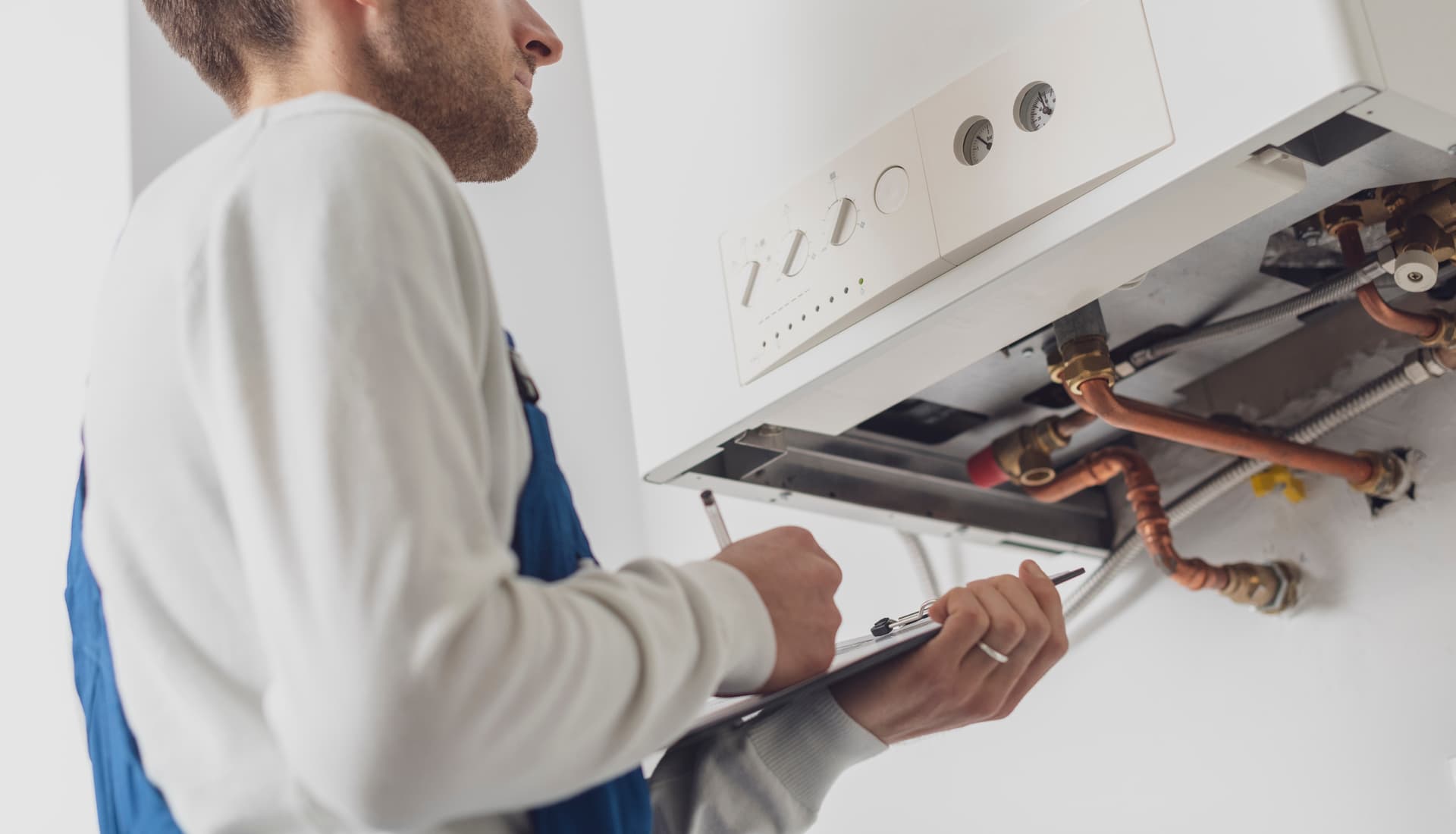
A boiler that loses pressure, makes an unusual noise or stops providing hot water needs proper assessment before anyone can sensibly recommend repair or replacement. The symptom tells you what is happening. It does not, by itself, tell you why, or whether a lasting repair is practical.
The first distinction is between a fault in one component and a problem that points to wider wear or an unsuitable system. A single failed part may be repairable. But if the same problem keeps returning, the cause may not have been isolated, or other parts may also be deteriorating. Replacing a component without understanding that pattern can leave you facing the same disruption again.
When you contact us, details such as what the boiler was doing before it stopped, any fault code displayed and whether the issue has happened before can help frame the discussion. Do not remove the casing or attempt work on gas components. A qualified assessment is needed to establish what has failed and what work is appropriate.
Weigh up the boiler's condition and repair prospects
A useful decision is based on more than the immediate fault. The boiler's overall condition, its repair history and whether the required parts can be obtained all matter. So does the likely scope of the work. There is a meaningful difference between correcting an isolated fault and spending time and parts on a boiler with several developing problems.
Ask for the fault and proposed work to be explained in plain terms. What has been identified? Is the proposed repair expected to address the cause, or only the current symptom? Are there signs of other issues that could affect the decision? Clear answers help you compare the practical case for repair with the disruption involved in replacing the appliance.
A repair can make sense when the fault is understood, the work is proportionate to the boiler's condition and the appliance still suits the property. Replacement deserves closer consideration when faults recur, the boiler's wider condition is poor, or a repair would not resolve the underlying problem. These are decision factors, not automatic rules. The details of your boiler and system matter.
Check whether the existing system still suits your home
The right choice also depends on what the heating system needs to do now. Household use can change: you may have different hot water demands, altered room use or a changed number of occupants. A boiler that once suited the property may no longer be the best fit, even if it can technically be repaired.
That does not mean every change in household use calls for a new boiler. It means the decision should consider how the appliance works with the wider heating and hot water setup, rather than treating the boiler as an isolated box. If replacement is being considered, explain what you need the system to do. If repair is being considered, ask whether the existing boiler remains suitable once the fault is resolved.
Liverpool properties vary in layout and heating requirements, so the answer for one home may not transfer neatly to another. The condition of the existing system and the scope of any proposed work can affect what is practical. If you are comparing options, make sure the discussion covers the boiler and the needs of the property together.
Make the decision with a clear comparison
Before agreeing to work, compare the actual options rather than relying on a general rule such as replacing a boiler after a certain age. Ask what the repair involves, what has led to the fault and whether there are reasons to expect further problems. If replacement is proposed, ask why repairing the current boiler is not the better option, and what the new appliance would need to provide for your home.
It can also help to share the boiler's model details and any records of previous repairs or servicing. These details do not replace an assessment, but they give useful context. Keep a note of when the fault occurs and what you observe, without attempting to open or alter the boiler.
Our Boiler Repair page gives an overview of the service. For advice on whether repair or replacement is appropriate, the decision should follow the fault, the boiler's condition and the requirements of your property. Here at Glennon Plumbing Services Ltd, we can discuss the next step for your boiler in Liverpool and help you understand the work being considered.
Other Articles